


Mastering Grammar Basics: Understanding Subject and Predicate
In the world of grammar, understanding the basics like subject and predicate is essential for constructing clear and effective sentences. Whether you’re writing a research paper or composing an email, knowing how subjects and predicates function will greatly enhance your sentence structure and improve your communication skills. This article will delve into the grammatical concepts of subject and predicate, providing you with the definitions, usage tips, and examples you need to master their importance in sentence construction.
Understanding Subject and Predicate
The foundation of any complete sentence lies in its subject and predicate. These two elements work in tandem to convey a complete thought and ensure that your writing is grammatically correct.
Definition of Subject and Predicate
A subject in a sentence refers to who or what the sentence is about. It typically includes a noun or a pronoun, along with any modifiers that provide additional information. On the other hand, the predicate explains what the subject does or the state it is in. It usually contains the verb and offers more detail on the action or state relating to the subject. For example, in the sentence “The dog barks,” “The dog” is the subject, and “barks” is the predicate.
The Role of Subject in a Sentence
Understanding how subjects function is crucial for anyone learning grammar basics.
How Subjects Work in Sentences
The subject is fundamental because it drives the message of what the sentence is addressing. Depending on the sentence’s complexity, the subject can be simple or compound. For example, “Melissa and John are running” features a compound subject, “Melissa and John,” signifying more than one person taking part in the action.
The Role of Predicate in a Sentence
The predicate carries the weight of telling what is happening to or what is being done by the subject.
Types of Predicates
Predicates can vary from simple to compound, much like subjects. A compound predicate might be seen in a sentence like “She sings and dances beautifully,” where “sings and dances beautifully” is the compound predicate giving more depth to the subject’s actions.
Tips for Identifying Subjects and Predicates
Effectively identifying subjects and predicates within sentences is a key skill in mastering grammar rules and sentence structure.
Simple vs. Compound Subjects and Predicates
One effective technique is to first locate the verb in the sentence; this will usually be part of the predicate. Next, look for the word or words it describes or actions—it’s the subject. Remember that complex sentences can have compound subjects or predicates, which should not be confused with separate sentences.
Common Mistakes and How to Avoid Them
There are several pitfalls one might encounter when dealing with subjects and predicates.
- Firstly, beware of confusing compound subjects and predicates with separate sentences.
- Secondly, do not ignore modifiers which are critical components of either a subject or a predicate.
- Lastly, avoid misidentifying verbs that might not act as predicates in a sentence.
Exercises for Practice
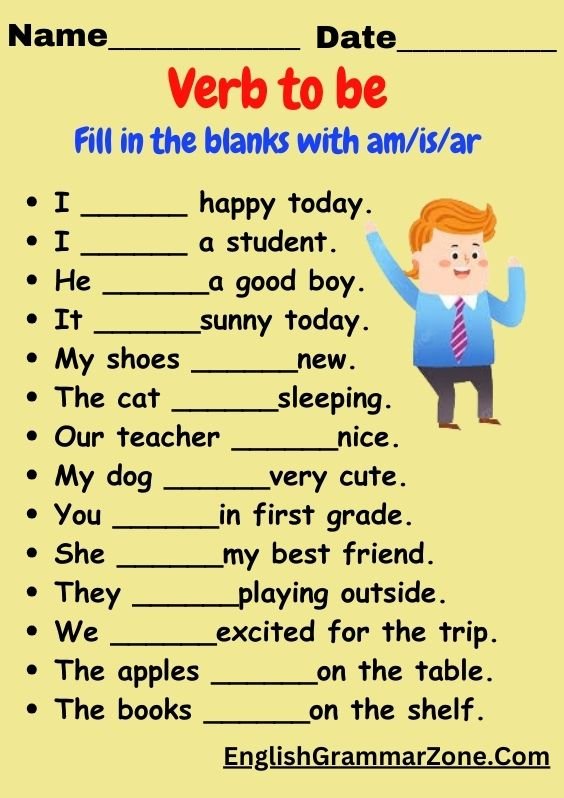
To reinforce learning, practice by breaking down sentences into their respective subjects and predicates. This will improve your ability to construct grammatically sound sentences.
Frequently Asked Questions
- What is a subject and predicate in grammar?
A subject is the focus of the sentence, often featuring a noun or pronoun, while the predicate explains what the subject does or its state. - How do you identify the subject and predicate?
Locate the verb, part of the predicate, and look for the noun or pronoun it describes—the subject. - Why are subject and predicate important in sentences?
They are essential for forming complete thoughts, ensuring clarity and grammatical correctness in writing. - Can a sentence have more than one subject and predicate?
Yes, sentences can have compound subjects and predicates, which provide additional detail or action. - What are some examples of a subject and predicate?
In the sentence “The cat sleeps,” “The cat” is the subject and “sleeps” is the predicate.
Conclusion
Understanding the concepts of subject and predicate is fundamental to mastering sentence structure and grammar basics. By practicing how to identify these elements in different sentences, you can sharpen your communication skills and enhance your writing. For further learning, explore additional resources and interactive exercises available on sentence structure and parts of speech.